Kyushu in Summer: Beaches, Rivers, and Gorges That Will Make You Forget About Tokyo
Written by a local in Oita · June 2026 · 22 min read
Japan's summer is brutal. Tokyo in August is 35°C with 90% humidity. Kyushu is hotter — but it's surrounded by three different seas, crossed by crystal-clear volcanic rivers, and cut through by gorges so beautiful they appear in Japan's oldest creation myths.
✦ AI-generated illustration — not a photograph of the actual site
Why is Kyushu's summer water different from the rest of Japan? Three reasons. First, the geology: Kyushu is a volcanic island, and volcanic terrain creates rivers that flow through basalt and granite, filtering to a clarity that flat-country rivers can't match. Second, the ocean: Kyushu faces three separate seas — the Genkai Sea to the north, the East China Sea to the west, and the Hyuga Sea to the east — each with a different character and fish life. Third, the Kuroshio Current: this warm Pacific current runs along Kyushu's eastern coast, keeping water temperatures high enough to swim comfortably from early July through September.
This guide covers three categories: beaches for swimming and snorkeling, rivers and gorges for scenery and water activities, and practical information for planning a summer trip. I've been to all of these places. Some of them I visit every summer. The ones I call “hidden gems” are genuinely off the tourist trail — not because they're difficult to reach, but because most visitors to Japan don't know Kyushu has them.
⏰ Best window: Early July to early August
After the rainy season ends (mid-June) and before jellyfish appear (mid-August). This 4–5 week window is when Kyushu's water is at its best: warm, clear, and (relatively) uncrowded.
Before You Go — What You Need to Know About Summer Water in Kyushu
🏖️Swimming Season
Official swimming beaches (kaisuiyokujo) open July 1 and close August 31. Outside this window, the water is fine but there are no lifeguards and facilities are closed.
🪼Jellyfish Season
Mid-August onward, box jellyfish and moon jellyfish appear in Kyushu's waters. Many beaches install jellyfish nets, but verify before you swim. The best swimming window is early July to early August.
🟡The Swimming Rope
Japanese beaches rope off the designated safe swimming area (yuei-ku). Stay inside it. Beyond the rope is boat traffic territory and can have strong currents. This is taken seriously — lifeguards will whistle at you.
⚠️Rivers: Mostly No Swimming
Most Kyushu gorges prohibit swimming due to flash flood risk and strong currents. The rule is: rivers are for looking at or boats and guided tours. The “swimming in the river” experience happens at local spots that aren't tourist sites.
Essential Items Checklist
🏖️ The Best Beaches in Kyushu
Five beaches worth the trip — from remote island paradise to accessible urban escape
Takahama Beach, Goto Islands (Nagasaki)
✦ AI-generated illustration — not a photograph of the actual site
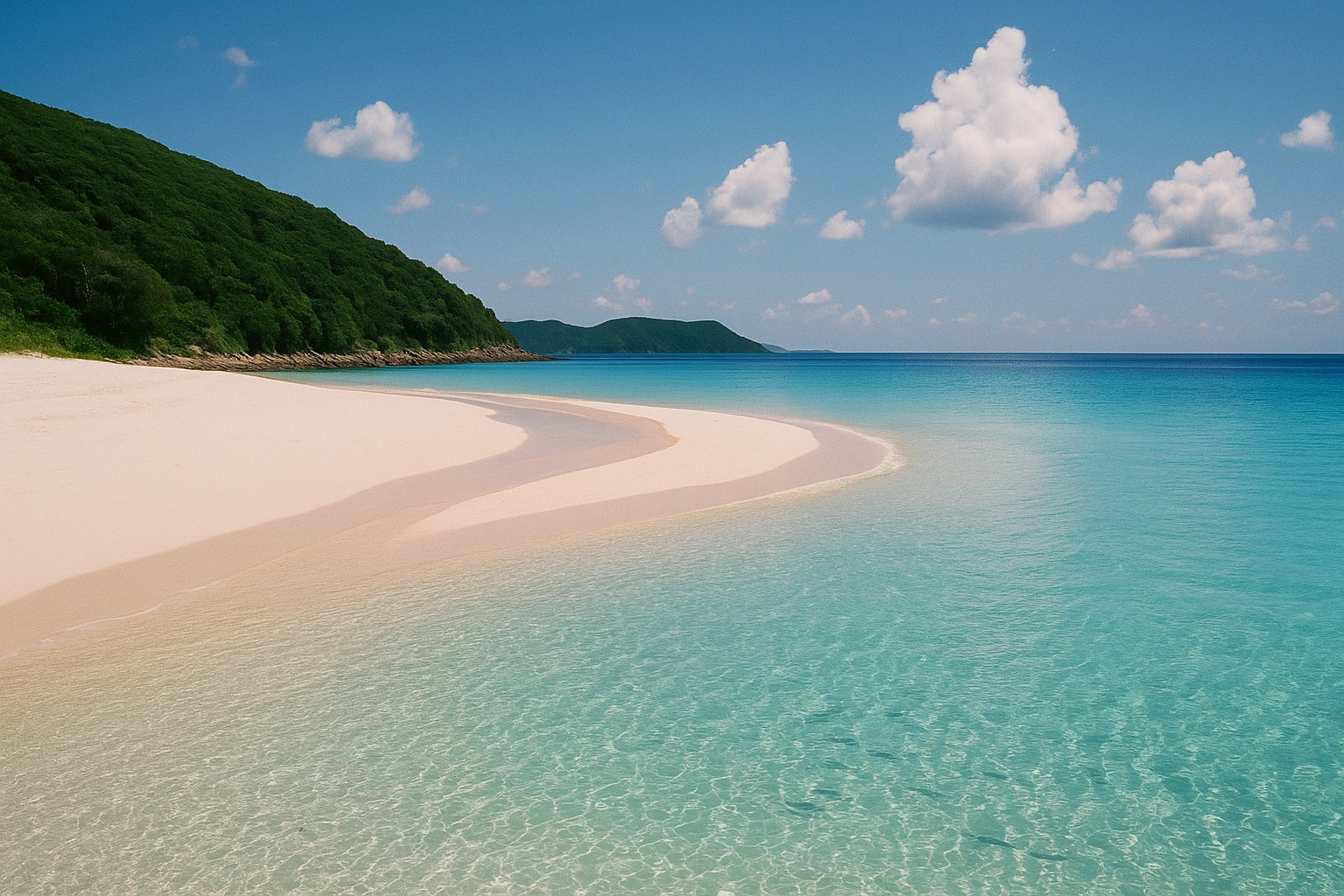
Takahama Beach on Fukue Island in the Goto Archipelago is ranked in Japan's Top 100 beaches — and deserves every bit of that recognition. The sand is white and fine, the water is turquoise in the shallows and deepens to cobalt further out, and the clarity is such that you can see the bottom in four meters of water. A natural sandbar extends from the left side of the beach at low tide, creating a shallow wading area perfect for children or anyone who wants to stand in the middle of the sea.
The Goto Islands sit in the East China Sea, 100 kilometers west of Nagasaki. They were one of Japan's last Catholic strongholds during the centuries of persecution — hidden Christians built small churches in remote valleys, and some of those churches are now UNESCO World Heritage Sites. This combination of extraordinary beach and extraordinary history makes the Goto Islands one of the most under-visited places in Japan relative to their quality.
Honest assessment: Getting here requires commitment — jetfoil from Nagasaki Port (1 hour 40 minutes, ¥5,000+) or a slower ferry (3 hours 30 minutes, cheaper). You need at least one night on the island to make the trip worthwhile. Rent a bicycle to get around. But if you're willing to do this, Takahama is the best beach in Kyushu.
🏄 Nichinan Coast, Miyazaki
The Nichinan Coast runs for 60 kilometers south of Miyazaki City, where the Kuroshio Current — a warm Pacific ocean river that carries tropical fish and warm blue water — hits the Japanese coast directly. The water here is warmer and clearer than almost any other part of Honshu. Kizaki-hama Beachnear Miyazaki City is Japan's premier surfing beach; it has hosted international surfing competitions and produces consistent waves year-round.
The Nichinan Coast is most interesting as a road trip. The coastal Route 220 passes through the Oni no Sentakuita(Devil's Washboard) — a miles-long stretch of flat, stepped volcanic rock formations that look like giant corrugated iron at the water's edge. Aoshima Island, connected to the mainland by a short causeway, has a shrine that sits at the center of the washboard formations. The combination of geological wonder and Shinto architecture is genuinely strange and beautiful.
Combine with Obi Castle(the “Little Kyoto of Kyushu”) 30 minutes south for the best single-day Miyazaki experience.
✦ AI-generated illustration — not a photograph of the actual site
🌅 Itoshima Coast, Fukuoka — The Accessible Option
Itoshima is Fukuoka's beach district — 40 to 50 minutes by car from the city center, making it the most accessible good beach in northern Kyushu. The draw is less about swimming (though the water is clean) and more about atmosphere: a long stretch of coastline backed by cafes, beach bars, and restaurants that have made Itoshima one of Fukuoka Prefecture's most fashionable areas.
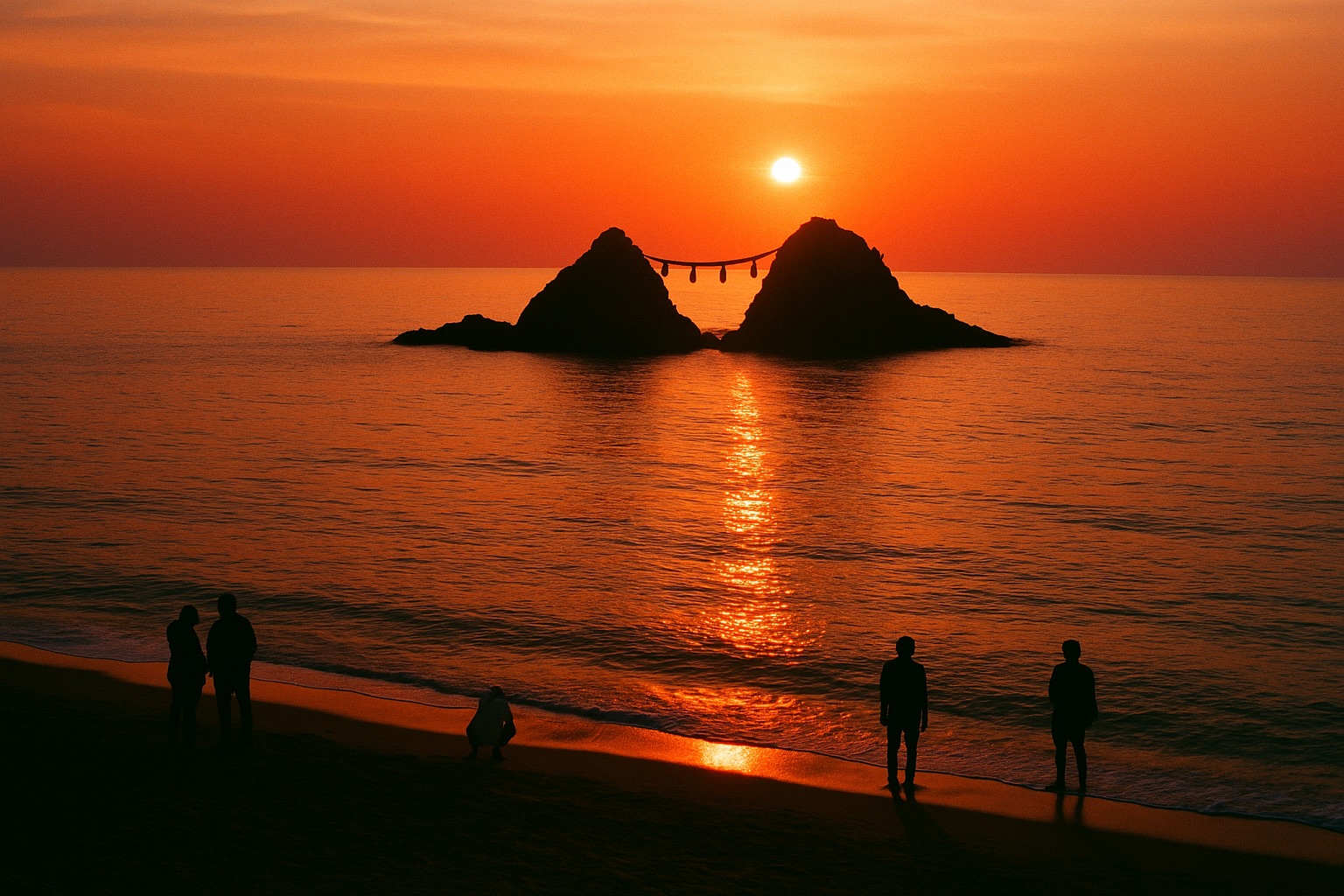
Futamigaura(二見ヶ浦) is the most photographed spot — two rocks in the sea connected by a shimenawa (sacred rope), framing the sunset. On summer evenings, the light turns the sea orange and the rocks into silhouettes. It's genuinely beautiful, and it's free.
⚠️ Honest warning: On summer weekends, the parking lots fill up by 10am and the beach cafes have 1-hour waits. Go on a weekday. Early morning and late afternoon are far better than midday.
🐬 Amakusa Islands, Kumamoto — Swim with Wild Dolphins
The Amakusa Archipelago, 160+ islands off the western coast of Kumamoto Prefecture, is one of the best places in Japan to encounter wild dolphins. The Indo-Pacific bottlenose dolphins that live in the Amakusa Strait appear almost daily — local tour operators quote encounter rates of 95% or higher, which sounds like marketing until you actually go and realize the dolphins are simply always there, in large pods, surfing the bow waves of boats.
Beyond the dolphins, the islands have excellent snorkeling in rocky inlets, UNESCO-listed sites from the Hidden Christian era, and some of the most dramatic coastal scenery in Kyushu. The Amakusa Gosho no Ura Beach is known for its calm water, suitable for swimming with children.
The hidden Christian history connects directly to the Nagasaki castles and Christian martyrs guide — the Shimabara Rebellion of 1637 began largely in Amakusa.
🌲 Niji-no-Matsubara & Karatsu Bay, Saga — The Quiet One
Niji-no-Matsubara is one of Japan's Three Great Pine Groves — 4.5 kilometers of beach backed by an ancient pine forest so dense it blocks the sun. The beach stretches along Karatsu Bay with Karatsu Castle visible on its promontory at one end. It's quiet, genuinely beautiful, and almost entirely free of foreign tourists. The combination of beach cycling through the pine grove and a visit to Karatsu Castle makes this the best “history + beach” day trip in northern Kyushu.
🏞️ The Best Rivers and Gorges in Kyushu
Where the real magic is — volcanic clarity, ancient mythology, and world-class adventure
Takachiho Gorge, Miyazaki
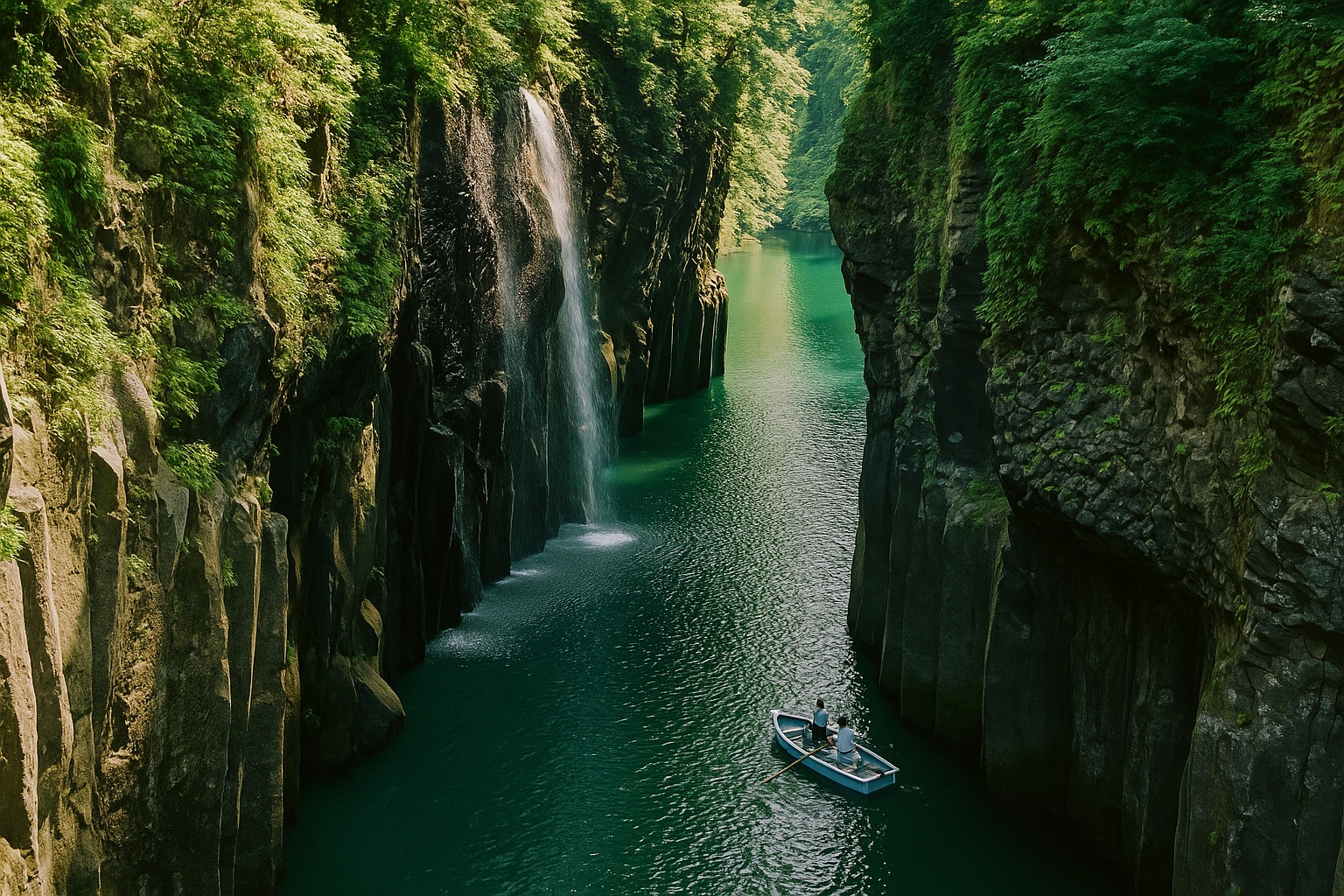
Takachiho Gorge was formed 100,000 years ago when lava from Mount Aso flowed into the Gokase River valley and cooled rapidly, creating columns of basalt that the river subsequently carved into a canyon 80 to 100 meters deep and, at its narrowest point, just three meters wide. The water that flows through it is an emerald green that seems artificially vivid — it is not. The color comes from the mineral content of the volcanic rock and the depth of the water.
The Manai Falls, a 17-meter waterfall that drops from a cleft in the gorge wall directly into the river, is the most photographed waterfall in Kyushu. From a rowboat on the water below, it appears to fall from the sky between two walls of sheer basalt. This is one of the few places in Japan where I would say the experience matches, and may exceed, the photographs.
In Japanese mythology, Takachiho is where the Sun Goddess Amaterasu hid in a cave after a conflict with her brother, plunging the world into darkness. The other gods danced outside until she emerged, and light returned to the world. This myth is told at Takachiho Shrine, where a nightly performance (yokagura) re-enacts the story. Coming here and not seeing the night performance is like visiting Stratford-upon-Avon without seeing a Shakespeare play.
🚣 The Boat — Critical Information
- Price: ¥2,000 per boat (up to 3 people) for 30 minutes
- Hours: 7:30am – 5:00pm (closed when water level is too high)
- Booking: No online reservations — physical queue only, same day
- Weekend wait: 2–4 hours is normal in July–August
- How to avoid the queue: Arrive at 7:30am on a weekday. Get your ticket number immediately. By 9am on a summer weekend, the wait is already 2 hours.
- Alternative: The gorge walkway above is free and gives excellent views without the wait
🚗 Access — The Honest Truth
Takachiho has no train station. Buses run from Nobeoka and Miyazaki but are infrequent and slow. A rental car is the realistic option for most visitors. From Miyazaki City: ~1.5 hours. From Beppu: ~2 hours. From Kumamoto: ~2 hours. The mountain road is winding but well-paved.
✦ AI-generated illustration — not a photograph of the actual site
🏄 Kuma River Rafting, Kumamoto — One of Japan's 3 Rapid Rivers
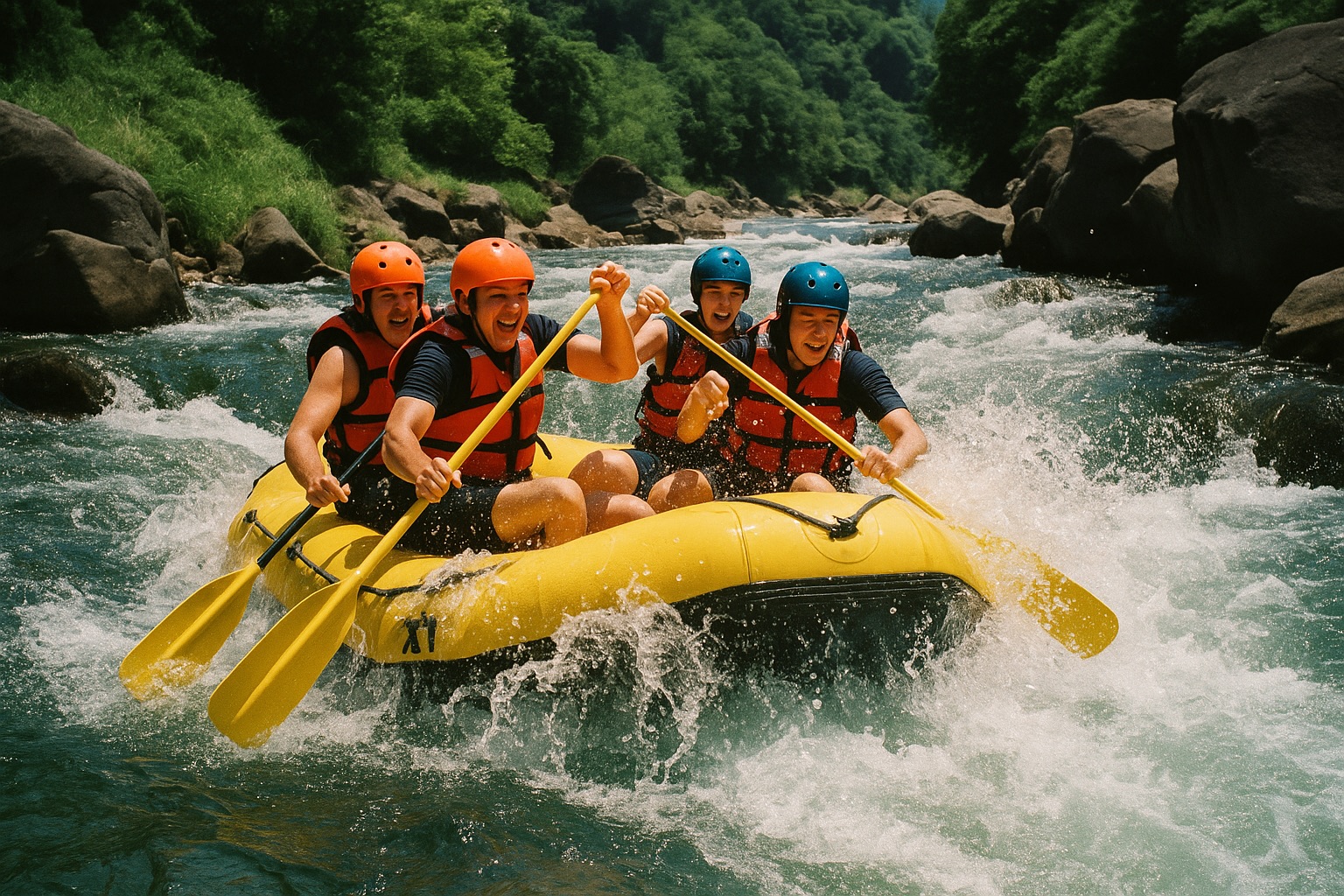
The Kuma River is one of Japan's Three Rapid Rivers (along with the Mogami and the Fuji), which means it drops quickly and creates the kind of whitewater that makes rafting genuinely exciting rather than just scenic. The river flows through the Hitoyoshi Basin in southern Kumamoto — a valley surrounded by mountains that has been inhabited for over a thousand years. The landscape you raft through is ancient agricultural land with forested hills on both sides and occasional glimpses of traditional wooden farmhouses.
Hitoyoshi City is the base for rafting operations and is itself worth a half-day. Hitoyoshi Castle was controlled by the Sagara clan for 700 years — the longest unbroken feudal tenure of any clan in Japanese history. The castle ruins and museum are a 10-minute walk from the station. The Kuma River valley is also the home of Kuma Shochu, a rice-based distilled spirit made only in this area — some of the best shochu distilleries in Japan are within 20 minutes of the station.
🌿 Yabakei Gorge, Oita — The One Almost Nobody Visits
Yabakei is the gorge I take people to when they say they've already seen everything. Designated as Japan's first official “scenic area” in 1923, it's a valley of extraordinary volcanic rock formations — sheer columns of basalt and granite carved into shapes by millennia of erosion, draped in cedar and maple. In autumn it's famous for foliage. In summer it's lush and green and almost empty of tourists.
The famous site here is Aonodo-mon(Blue Cave Tunnel) — a 342-meter tunnel through a cliff face, carved by a single Buddhist monk named Zenkai between 1720 and 1763. He spent 30 years with a hand chisel cutting through solid rock so that pilgrims could cross the gorge safely. The tunnel is still there. You can walk through it. It is one of the most peculiar and moving human-scale projects I've ever encountered.
I live 40 minutes from Yabakei and I still go every year. It's the kind of place that feels like a personal discovery even after multiple visits.
Nakatsu River (Mountain Tributary), Oita
I'm deliberately being vague about the exact location here — not to be unhelpful, but because the value of this spot is its emptiness. It's a tributary of the Yamakuni River system in the mountains behind Nakatsu City, where volcanic spring water flows into a clear shallow river over a sandy and rock bottom. The water is cold even in August. On a 35°C summer day, it feels miraculous.
This is where Oita families go on summer weekends — locals with children in float rings and cheap folding chairs set up in the shallows. There are no facilities, no entrance fee, no signage in any language. You need a car to get there. But if you're based in Oita Prefecture and want the experience of cooling off in a mountain river surrounded by locals rather than tourists, this is it.
Tip: Pair it with Yabakei Gorge (20 minutes away) and you have a perfect day — gorge in the morning, river swimming in the afternoon.
🧗 Fujikawachi Valley Canyoning, Oita
Fujikawachi Valley near Kusu Town in Oita is where tour operators run canyoning and shower climbing (shawaa kuraimbingu) tours — you hike up waterfalls, rappel down others, jump into pools, and work your way through a series of cascades in the forest. It's genuinely exciting and physically demanding. In winter, one of the waterfalls here freezes into a spectacular ice column. In summer, the cascades run full and the forest is dense and green.
This is the best adventure water experience in Oita, and several operators now offer tours with English-speaking guides. Book in advance for summer weekends.
How to Plan Your Kyushu Summer — By Type of Traveler
Plan A: 3 Days · Beaches + History (Fukuoka base)
Best for first-timers · No car needed · Mix of swimming and culture
- Day 1 Itoshima Coast day trip from Fukuoka (beach + sunset at Futamigaura)
- Day 2 Karatsu by train — Niji-no-Matsubara cycling + Karatsu Castle + beach swim
- Day 3 Return to Fukuoka — food day (ramen, sushi, yatai)
Plan B: 4 Days · Active Adventure (Kumamoto base)
Best for active travelers · Mix of rafting, dolphins, and gorge · Car recommended
- Day 1 Amakusa Islands — dolphin watching + snorkeling (car from Kumamoto)
- Day 2 Kuma River rafting + Hitoyoshi Castle + shochu tasting
- Day 3 Takachiho Gorge — arrive before 8am for the boat, night yokagura performance
- Day 4 Nichinan Coast drive — Aoshima Shrine + Nichinan coastal road + Obi Castle
Plan C: 5 Days · An Oita Local's Summer (Oita base)
The trip I actually take · Car essential · Mix of onsen, gorges, and hidden spots
- Day 1 Beppu — sand bath morning, jigoku-mushi lunch, municipal onsen (¥110) evening
- Day 2 Fujikawachi Valley — half-day canyoning tour, mountain lunch
- Day 3 Yabakei Gorge morning + mountain river afternoon (the secret spot)
- Day 4 Kunisaki Peninsula coast — temple coast road, sea views, small fishing villages
- Day 5 Yufuin — Kinrinko Lake morning mist, mountain onsen, evening back to Beppu
For the complete 7-day Kyushu itinerary that integrates summer water spots with castles, food, and history, see the full Kyushu 7-day itinerary.
Month-by-Month Guide — When to Go
| Month | Beaches | Rivers & Gorges | Notes |
|---|---|---|---|
| June | △ Not yet open · scenic | ◎ Empty & beautiful | Rainy season · flash flood risk in gorges |
| Early July | ◎ Best! Open + clear | ◎ Best season | Swimming season opens July 1 |
| Late July – Early Aug | ◎ Peak · crowded | ◎ Peak season | Best water temperature · busiest period |
| Mid-Aug onwards | △ Jellyfish increasing | ○ Still good | Check for jellyfish nets before swimming |
| September | △ Season ending | ◎ Quieter + good water | Typhoon season · check forecasts |
| Oct–Nov | ✕ Too cold to swim | ◎ Autumn foliage peak | Takachiho in autumn is extraordinary |
What to Pack — Summer Water Checklist
☀️ Sunscreen SPF50+
Kyushu's summer UV index reaches 10+ in August. One hour without protection will burn badly. Japanese pharmacies sell excellent high-SPF options (Anessa, Biore UV).
👕 Rash guard
Standard in Japan for beach and water activities — full UV protection, dries quickly. Available at Uniqlo (¥2,000–3,000) or any sports shop.
👟 Water shoes
Rocky beaches, sharp river stones, and gorge walkways all benefit from water shoes. Don Quijote sells decent ones for ¥1,000–2,000.
💧 Waterproof phone case
¥300 at any 100-yen shop. Not optional if you're doing rafting or canyoning. The sealed bag type works fine.
💴 Cash (¥5,000–10,000)
Parking fees, coin showers, ferry tickets, and market food stalls are mostly cash-only. ATMs at convenience stores work with foreign cards.
🥤 Hydration
Convenience stores everywhere sell water ¥100–150. Japan has virtually no water fountains. Drink constantly — dehydration in this humidity is fast and nasty.
A Local's Honest Summer Ranking
Best scenery
Takachiho Gorge
Looking up at the basalt walls from the boat — nothing in Japan compares
Clearest water
Takahama Beach (Goto Islands)
Visibility 10+ meters, tropical fish visible without a mask
Most accessible
Itoshima Coast
40 minutes from Fukuoka, decent beach, excellent cafes — lowest effort
Best hidden gem
Yabakei Gorge, Oita
Nearly zero foreign tourists, extraordinary rock formations, free entry
Best adventure
Kuma River Rafting
Japan's best whitewater, accessible by train, historically interesting area
Best with kids
Amakusa (Dolphins)
95%+ dolphin encounter rate makes this an almost guaranteed family memory
“Kyushu's summer is what Japan's summer should be — not the humid concrete grid of a big city, but volcanic mountains meeting clear rivers meeting three different seas. The morning mist in Takachiho Gorge. The Kuroshio blue at Nichinan. The old monk's tunnel in Yabakei. These aren't experiences you stumble on by following a popular blog. They're the ones that stay with you — and that make you plan the next trip before the current one is over.”
Related Guides
Quick Reference — All Spots
| Spot | Prefecture | Access | Best for |
|---|---|---|---|
| Takahama Beach (Goto) | Nagasaki | Ferry from Nagasaki ~1h40 | Family, snorkel, Top100 |
| Nichinan Coast | Miyazaki | Car from Miyazaki City | Surf, road trip, shrine |
| Itoshima Coast | Fukuoka | Car 40min from Fukuoka | Couples, sunset, café |
| Amakusa Islands | Kumamoto | Car 1.5h from Kumamoto | Dolphins, snorkel, UNESCO |
| Niji-no-Matsubara | Saga | Walk from JR Karatsu | History, cycling, quiet |
| Takachiho Gorge | Miyazaki | Car ~1.5h, no train | Boat, scenery, mythology |
| Yabakei Gorge | Oita | Bus/car from Nakatsu | Hidden gem, foliage |
| Kuma River Rafting | Kumamoto | Walk from JR Hitoyoshi | Rafting, history, shochu |
| Nakatsu River (secret) | Oita | Car only, 30min | Local experience, cool water |
| Fujikawachi Canyoning | Oita | Car from Bungo-Mori | Adventure, waterfall |
Written by
A Local in Oita, Japan
A Japanese local born and raised in Oita, Kyushu. Sharing the Japan that guidebooks miss — from someone who actually lives here.
About this site →Related Articles
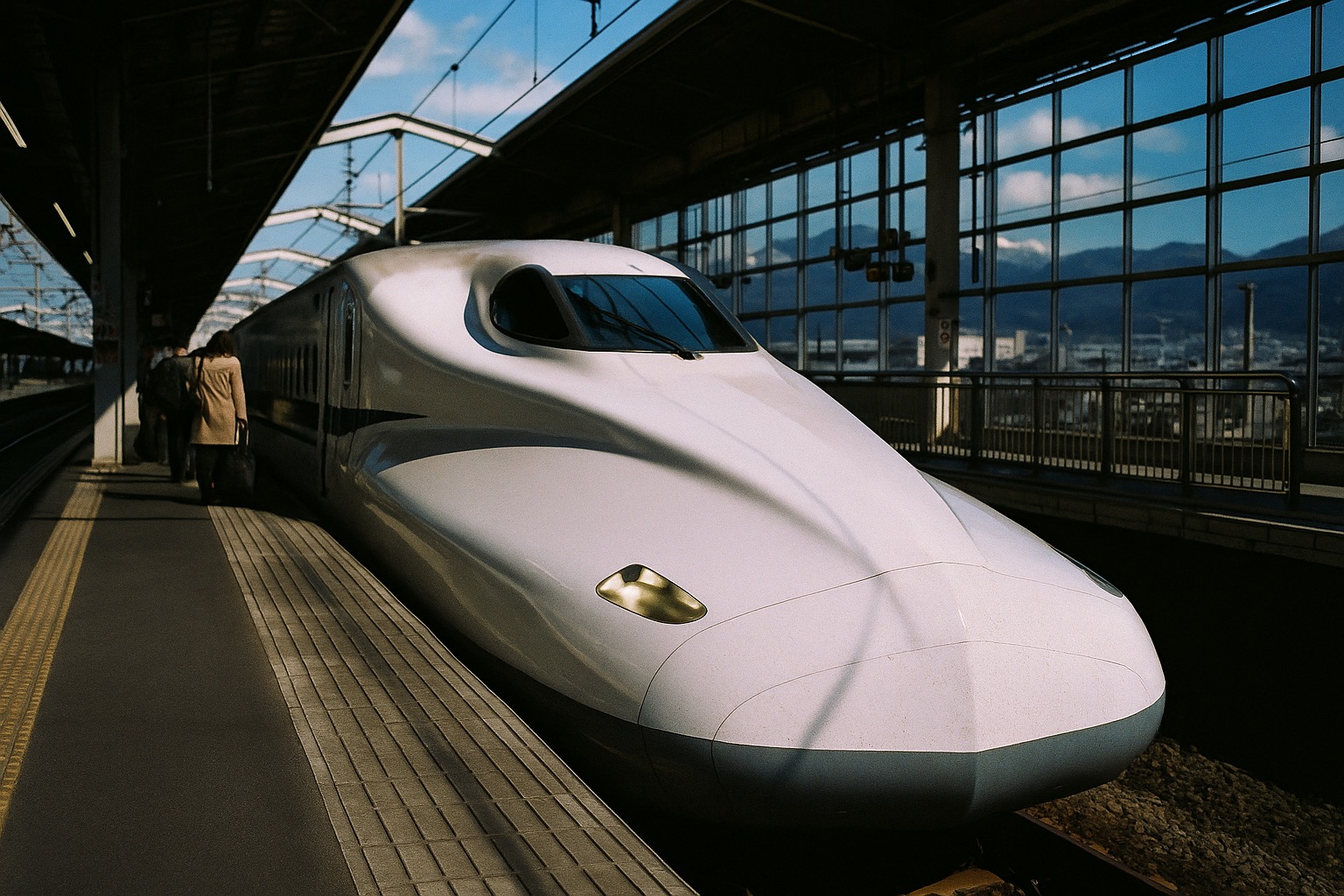
JR Kyushu Rail Pass: Is It Worth It? A Local's Honest Guide
A local breaks down the JR Kyushu Rail Pass — the 3, 5, and 7-day options, what's covered, real price math for popular routes, how to buy and use it, and the honest answer to whether it's worth it for your trip.
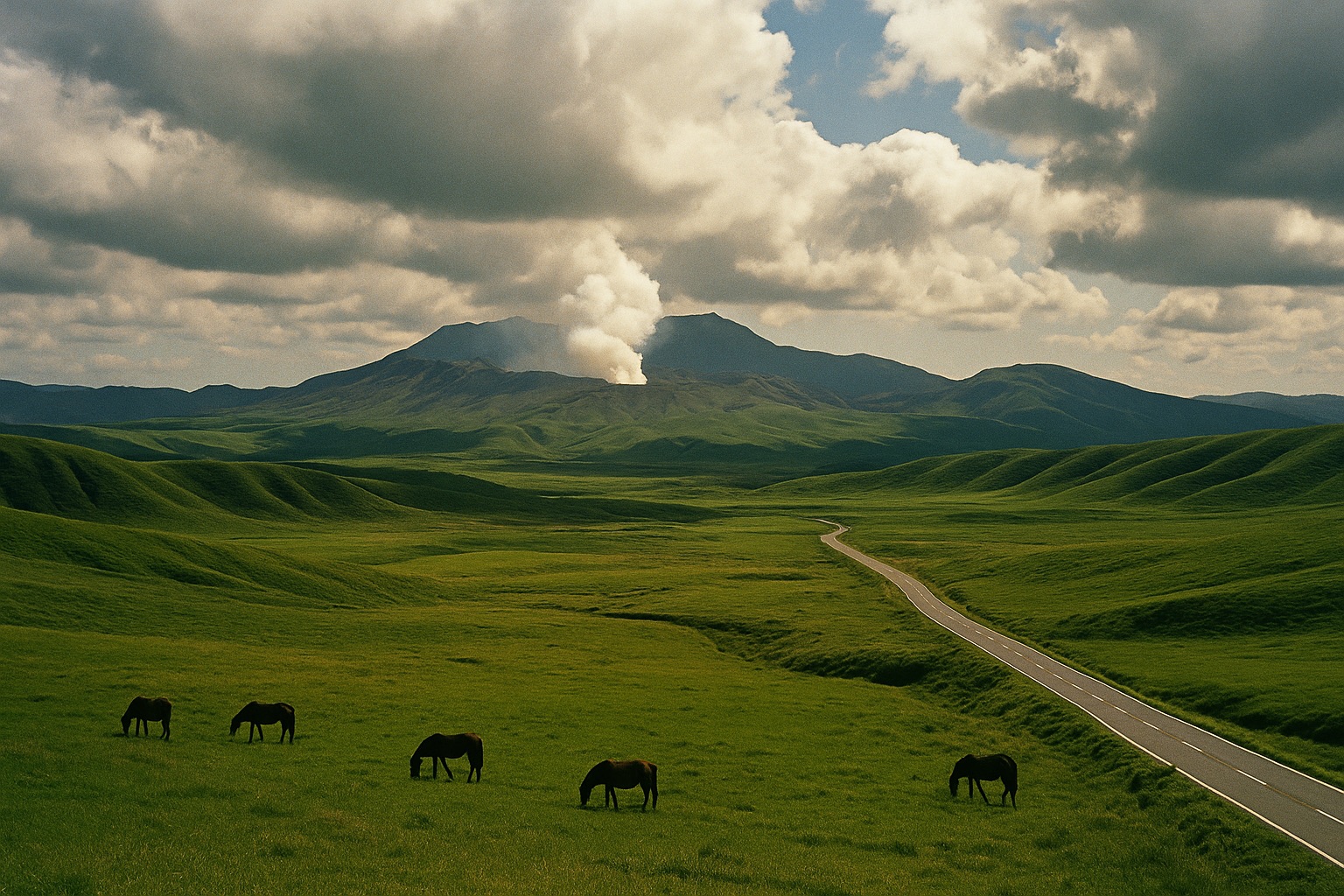
Best Time to Visit Kyushu: A Month-by-Month Season Guide
When should you visit Kyushu? A local walks you through the seasons month by month — cherry blossoms, the rainy season, summer heat, golden autumn, and mild onsen winters — so you pick the right time for your trip.
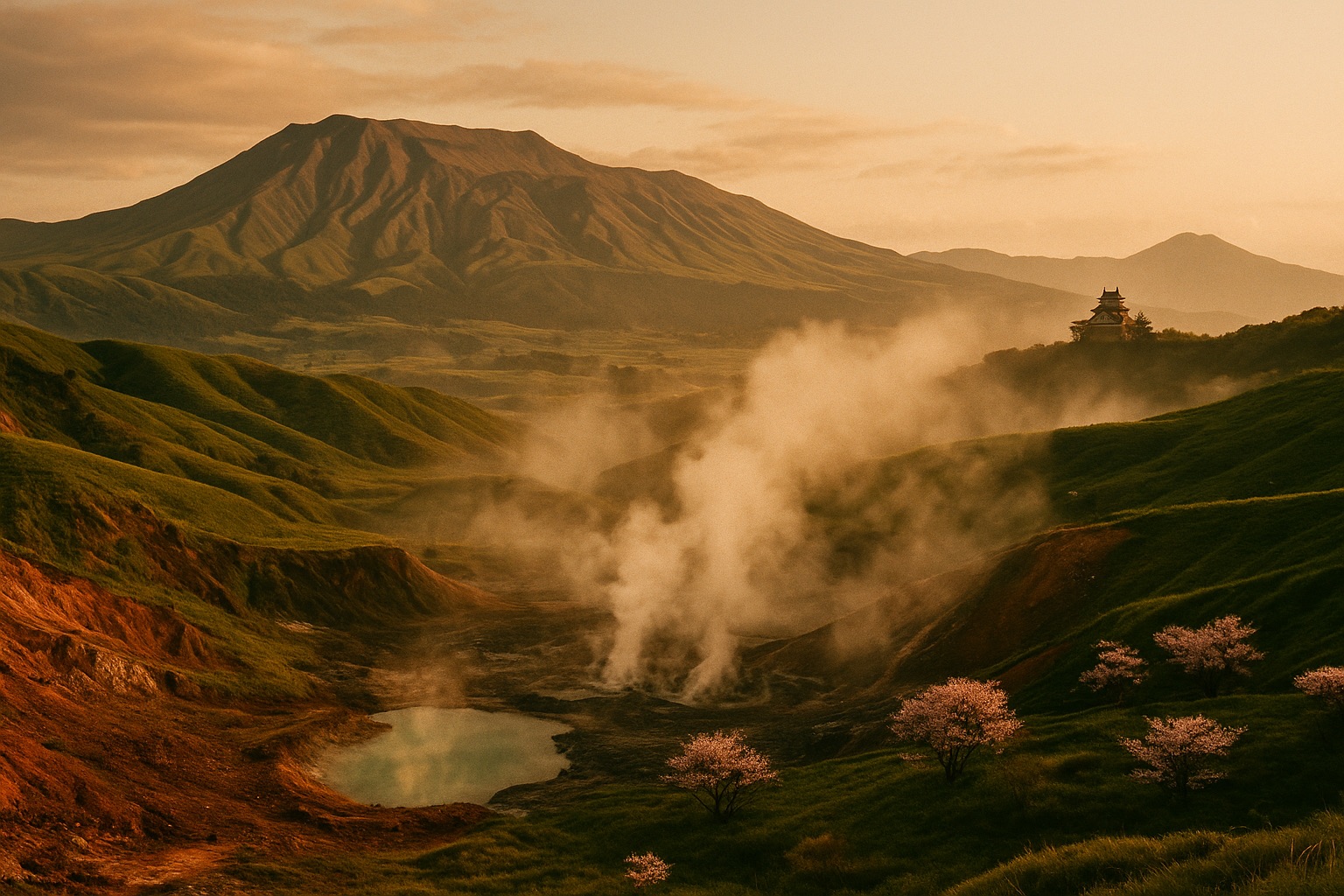
Driving in Kyushu: Renting a Car & the Best Road Trips
Should you rent a car in Kyushu? A local explains the license you need, what driving here is really like, costs and tolls, where a car beats the train — and the island's most beautiful road trips.