Japan Local Travel
KyushuNagasaki Castles

Castles of Kyushu · Nagasaki Prefecture 長崎県

Castles, Christians
& the Outside World

Nagasaki’s castles tell a story unlike anywhere else in Japan: of Western traders and missionaries, a teenage boy who led 37,000 people to their deaths, an English sailor who became a samurai, and Japan’s final feudal castle built on a remote island facing the open sea.

4
Key sites
1
UNESCO World Heritage
37,000
Lives lost at Hara Castle
The thread connecting all four sites: Christianity. Portuguese missionaries brought the faith to Hirado in 1550. The Shogunate tried to stamp it out by building Shimabara Castle and taxing its people into revolt. 37,000 Christians made their last stand at Hara Castle. And on the remote Goto Islands, the faith survived 250 years underground — in the same islands where Japan’s last feudal castle stands.

All sites

4 locations
Shimabara CastleEdo period

✦ AI-generated illustration — not a photograph of the actual site

ReconstructedNagasaki Prefecture

Shimabara Castle

島原城 · Symbol of Christian persecution and peasant revolt

Built 1618–1624 (keep rebuilt 1964)
Clan Matsukura clan

Built through brutal taxation and Christian persecution — its construction directly caused the Shimabara Rebellion of 1637

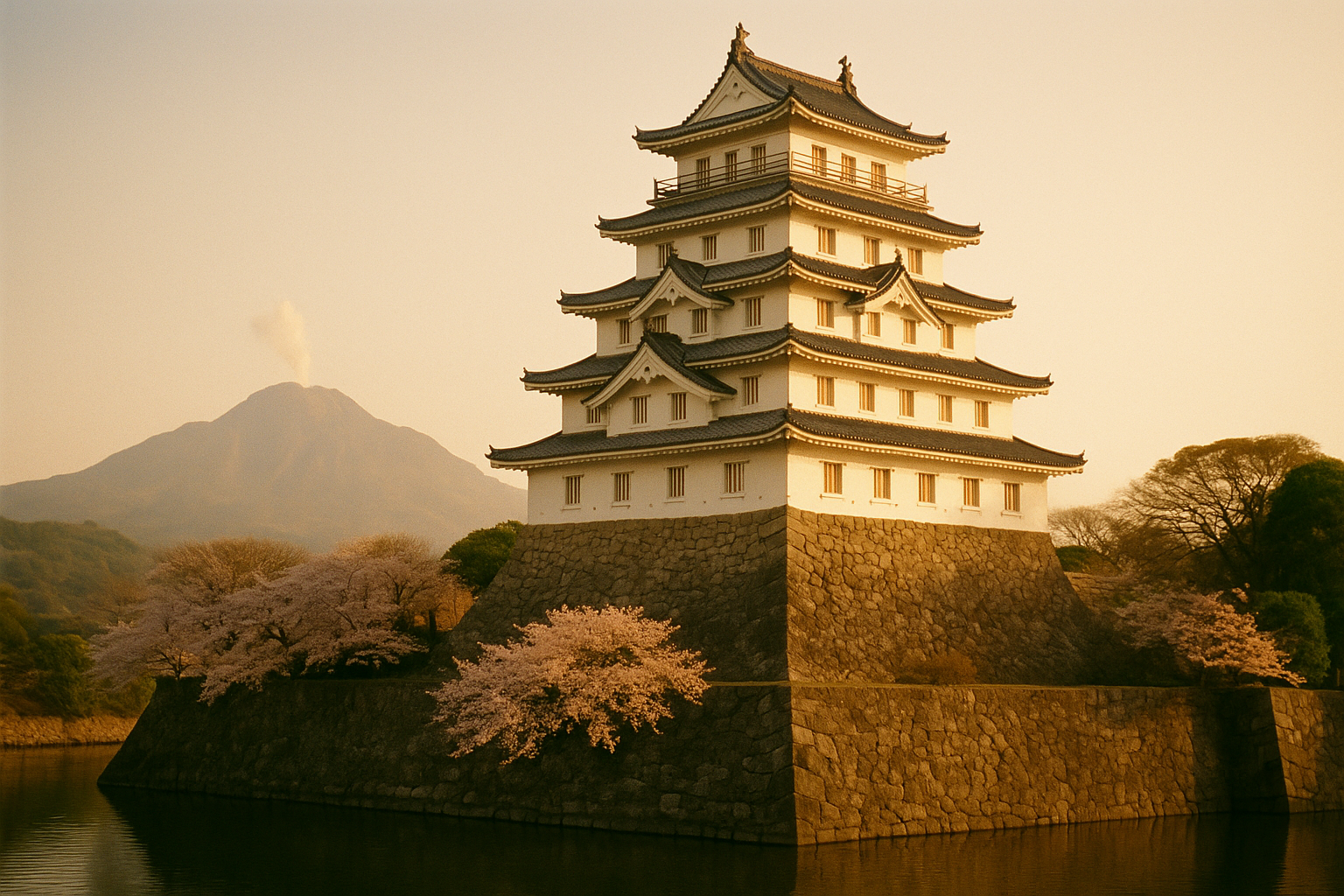
Shimabara Castle is one of the most morally complicated castles in Japan. Lord Matsukura Shigemasa built it over seven years using taxes so crushing that peasants were literally tortured to death for non-payment. He also violently enforced the Shogunate's ban on Christianity in a region where the faith had deep roots. The result was the Shimabara Rebellion of 1637 — 37,000 Christian peasants, ronin, and their families rose up under a 16-year-old boy named Amakusa Shiro and held out for four months before being massacred to the last person. The rebellion so shocked the Shogunate that Japan effectively closed itself to the outside world for the next 200 years. The castle's museum now holds a remarkable collection of Christian artifacts found buried in the ruins.

Historical figures
🚉From Shimabara Station (Shimabara Railway), 10 min walk
🕐9:00–17:30 · Closed Dec 29–31
💴¥540 adults, ¥270 children
Highlight: Museum of buried Christian artifacts — crosses, medals, and figurines hidden underground for generations
Most dramatic history
Hirado CastleEdo period

✦ AI-generated illustration — not a photograph of the actual site

ReconstructedNagasaki Prefecture

Hirado Castle

平戸城 · Kameoka-jo (Turtle Hill Castle) · Gateway to the West

Built 1599 (original) · 1718 (rebuilt) · 1962 (concrete reconstruction)
Clan Matsura clan (held for 700+ years)

Japan's first major Western trading port; home of the English and Dutch East India Companies; where William Adams died

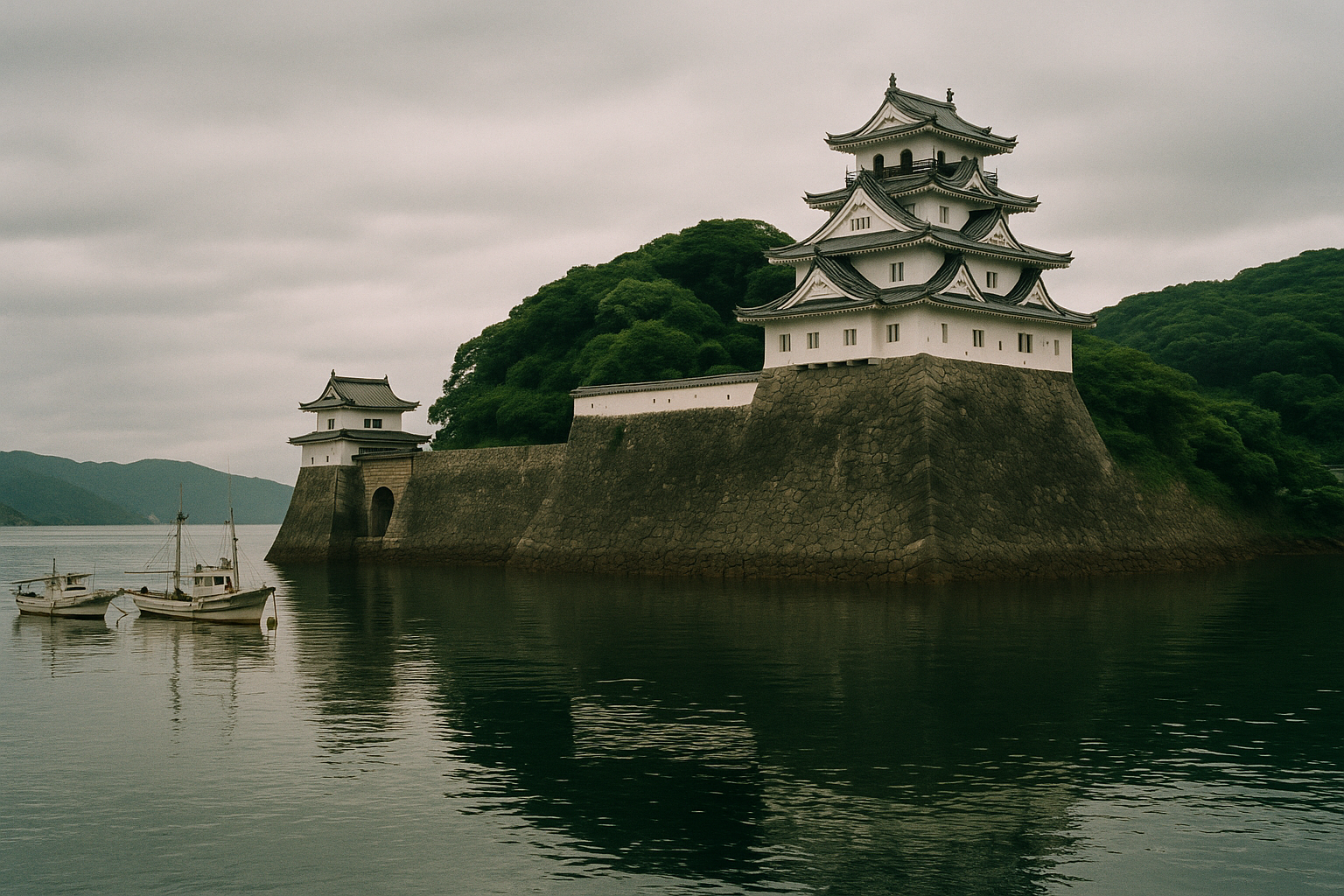
Before Nagasaki, before Dejima — there was Hirado. For most of the 16th and early 17th centuries, this small island port was Japan's window to the world. Portuguese traders arrived in 1550. The Dutch East India Company established its first Japanese factory here in 1609. The English East India Company followed in 1613 — with the help of William Adams, an English sailor who had become a samurai. The Matsura clan, who held this domain for over 700 years, built and rebuilt Hirado Castle on its hill overlooking the bay. The current structure is a 1962 reconstruction, but the original gatehouse and a turret survive, and the views over the Genkai Sea are extraordinary. One of the castle's turrets has been converted into a luxury overnight lodging.

Historical figures

🚉From Matsuura Railway Tabira-Hiradoguchi Station, bus to Hirado ~40 min; or Hakata Bus Terminal direct bus ~2h30m
🕐8:30–18:00 (Apr–Oct) · 8:30–17:30 (Nov–Mar)
💴¥500 adults, ¥250 children
Highlight: View from the keep: Dutch East India Company warehouse visible from the top floor, with the sea where Western traders anchored for a century
Japan's first Western port
Hara Castle RuinsEdo periodUNESCO WH

✦ AI-generated illustration — not a photograph of the actual site

Ruins / Historic siteNagasaki Prefecture

Hara Castle Ruins

原城跡 · UNESCO World Heritage Site (Hidden Christian Sites)

Built c.1570 (abandoned 1638)
Clan Arima clan

Final stronghold of 37,000 Christian rebels; site of the Shimabara Rebellion's last stand; UNESCO World Heritage Site

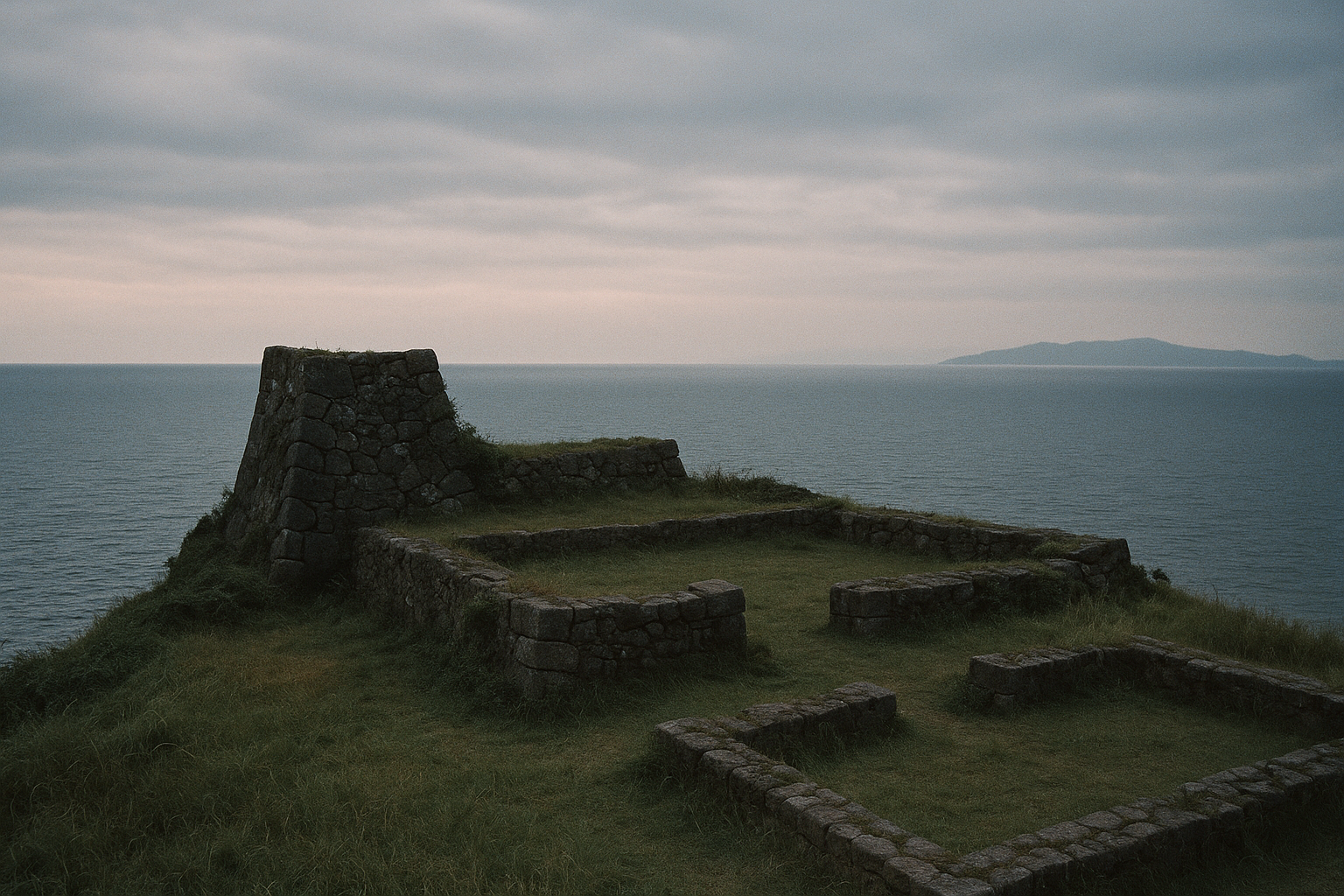
Hara Castle today is a grassy promontory jutting into the Ariake Sea — nothing but stone walls and foundations remain. But standing here, knowing what happened, is one of the most powerful experiences in Kyushu. In February 1638, 37,000 people — Christian peasants, ronin, women, and children — had been besieged here by 125,000 Shogunate troops for three months. When their food ran out and the castle fell on April 15, every single person inside was killed. The Shogunate then demolished the castle so completely that it would never be used again. In 2018, the site was inscribed as a UNESCO World Heritage Site as part of the "Hidden Christian Sites in the Nagasaki Region."

Historical figures

🚉From Shimabara Station (Shimabara Railway) to Minamishimabara Kominato Station ~1h, then taxi ~15 min; or car from Shimabara ~40 min
🕐Open 24hrs (ruins) · Visitor center 9:00–17:00
💴Free
Highlight: Standing on the promontory surrounded by the Ariake Sea on three sides — the exact spot where 37,000 people made their last stand
UNESCO World Heritage
Fukue CastleEdo period

✦ AI-generated illustration — not a photograph of the actual site

Original structureNagasaki Prefecture

Fukue Castle

福江城 · Ishida-jo (Stone Field Castle) · Japan's last feudal castle

Built 1863 (completed just 5 years before the Meiji Restoration)
Clan Uku Matsura clan (Goto Domain)

The last feudal castle built in Japan before the Meiji Restoration ended the samurai era; its walls rise directly from the sea

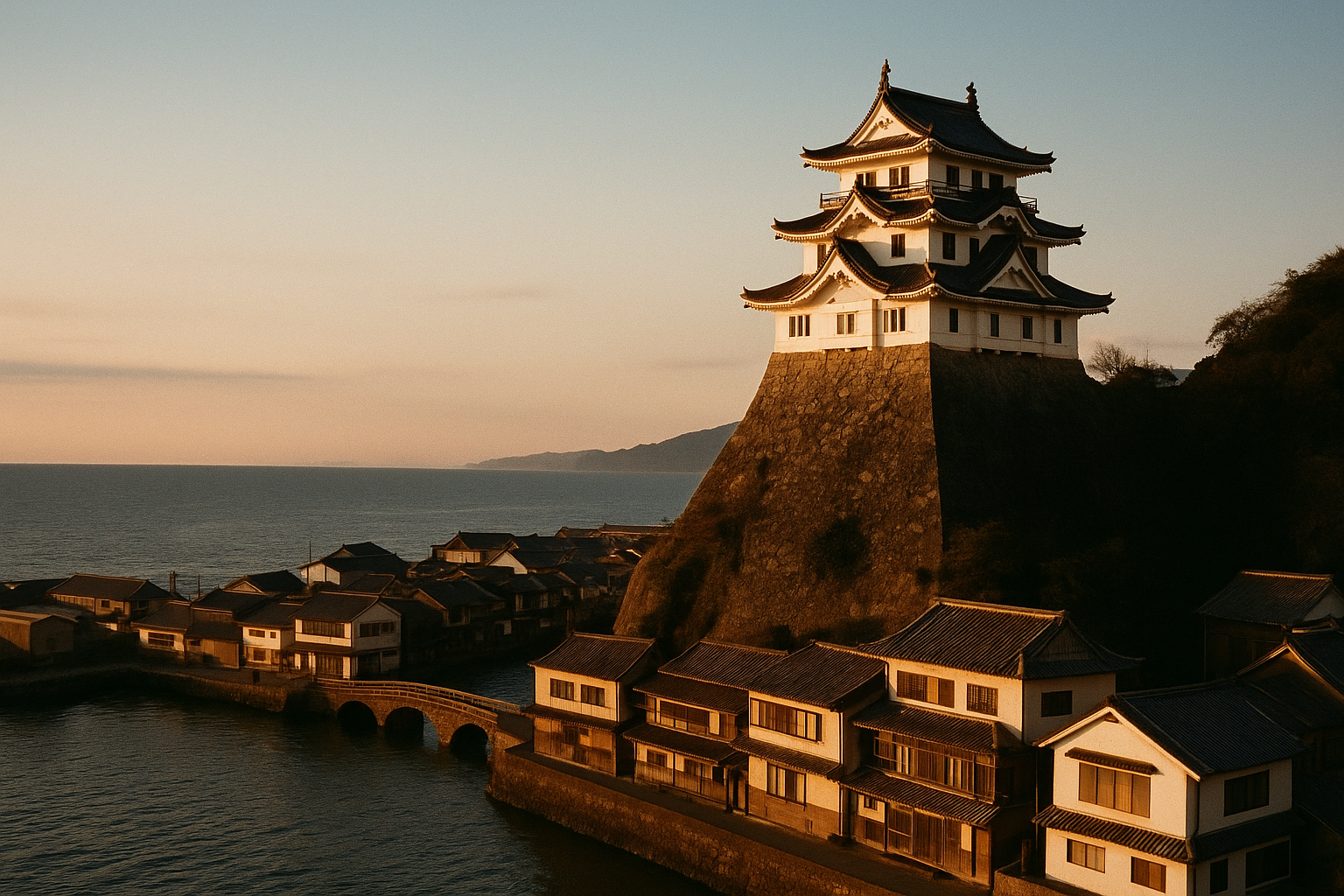
Fukue Castle has the distinction of being the last feudal castle completed in Japan — finished in 1863, just five years before the Meiji Restoration abolished the samurai system. The Shogunate approved its construction due to Goto's strategic position facing the open sea — a defense against Western ships pushing for access to Japan. Its walls rise directly from the ocean, making it one of the few true "sea castles" (umishiro) in Japan. The main keep was demolished in the Meiji era, but the stone walls, moat, and gatehouse survive in excellent condition and form part of the current city hall grounds. Today the island is best known internationally as the setting of the anime Barakamon.

Historical figures

🚉Ferry from Nagasaki Port ~3h30m (regular) or ~1h40m (high-speed); castle is 5 min walk from Fukue Port
🕐Grounds open 24hrs · Gatehouse and exhibits open during business hours
💴Free (grounds)
Highlight: Sea-level stone walls that rise directly from the water — unique in Japan
Last samurai-era castle

From the local

“Hara Castle ruins take about 40 minutes to drive to from Shimabara. Most people skip it. Don’t. Standing on that headland, looking out at the sea, knowing what happened there — it’s one of the most affecting places in all of Kyushu.”

— A local living in Kyushu

← Previous

Castles of Saga

Saga Castle · Karatsu Castle · Nagoya Castle Ruins

Next →

Castles of Kumamoto

Kumamoto Castle · Hitoyoshi Castle · Yatsushiro

← Back to series

Castles & Warlords of Kyushu — All 7 Prefectures