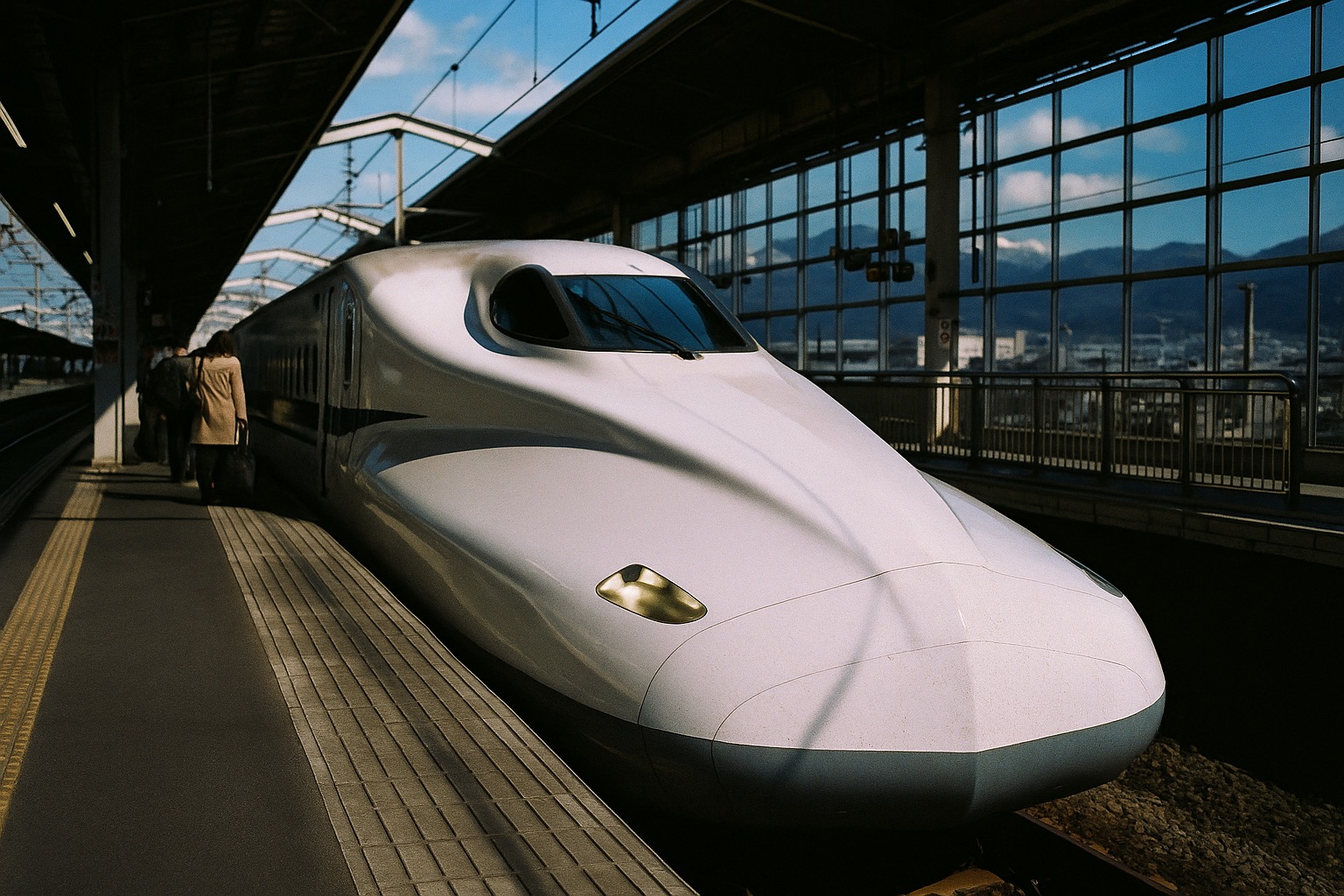
The JR Kyushu Rail Pass is one of the most-Googled things about a Kyushu trip — and also one of the most over-bought. The honest truth from someone who rides these trains: it's a fantastic deal for some itineraries and a waste of money for others. The difference is entirely about how much you actually move around.
This guide cuts through it: the three versions, exactly what each covers, real yen-for-yen math on the routes most visitors take, and a clear yes/no for your trip — no upsell.
What the JR Kyushu Pass Is
It's an unlimited-ride pass for JR trains within Kyushu, sold only to foreign tourists on a short-stay visa. For a flat price you ride as much as you like for 3, 5, or 7 consecutive days — including the Kyushu Shinkansen and the limited-express trains that connect the island's cities.
It is separate from the nationwide Japan Rail Pass. If your whole trip is inside Kyushu, this regional pass is far cheaper than the national one. If you're also doing Tokyo or Kyoto, that's a different calculation — see our Kyushu 7-day itinerary and is Kyushu worth visiting for how it fits a bigger Japan trip.
The Three Versions Compared
There are three area types. Prices below are approximate 2026 figures for the adult, ordinary-class pass — always confirm the current price on the official JR Kyushu site before buying, as fares change.
| Pass | Covers | Approx. price | Best for |
|---|---|---|---|
| Northern Kyushu (3 or 5 day) | Fukuoka, Saga, Nagasaki, Kumamoto, Oita/Beppu, Yufuin | ~¥10,000 (3d) / ~¥14,000 (5d) | Most first trips — the popular north |
| Southern Kyushu (3 day) | Kumamoto, Kagoshima, Miyazaki | ~¥8,000 (3d) | Volcano & south-coast trips |
| All Kyushu (3, 5, or 7 day) | The entire island | ~¥17,000 (3d) / ~¥18,500 (5d) / ~¥20,000 (7d) | Grand loops covering north + south |
For the vast majority of visitors, the trip is Fukuoka–Nagasaki–Kumamoto–Beppu/Yufuin, so the Northern Kyushu pass is the one to weigh up first.
What's Covered (and What Isn't)
✓ Covered
- • Kyushu Shinkansen (Hakata–Kagoshima)
- • JR limited-express trains (Sonic, Kamome, Yufuin no Mori, etc.)
- • Local & rapid JR trains across the island
- • Seat reservations on covered trains
✗ Not covered
- • The San'yo Shinkansen beyond Hakata (toward Osaka/Tokyo)
- • Non-JR private lines & most city subways
- • City buses, trams, and the Beppu hells loop buses
- • Some premium tourist trains (surcharge or excluded)
Important for arrivals: getting from Fukuoka Airport into Hakata is a quick subway ride that the pass does notcover — it's only ~¥260 though. Inside cities you'll still tap an IC card for subways, trams, and buses.
Is It Worth It? Real Price Math

✦ AI-generated illustration — not a photograph of the actual site
The pass only pays off if your individual fares would add up to morethan the pass price. Here's a typical northern loop with rough one-way limited-express / shinkansen fares:
| Leg | Approx. one-way fare |
|---|---|
| Hakata (Fukuoka) → Nagasaki | ~¥6,000 |
| Nagasaki → Kumamoto | ~¥5,000 |
| Kumamoto → Beppu | ~¥6,500 |
| Beppu → Yufuin → Hakata | ~¥6,000 |
| Total (pay-as-you-go) | ~¥23,500 |
That loop alone beats even the All-Kyushu 5-day pass (~¥18,500), and crushes the Northern 5-day (~¥14,000). If you're doing a multi-city loop, the pass is clearly worth it.
When it's NOT worth it
If you're basing yourself in Fukuoka and only doing a couple of day trips (say, Dazaifu and one onsen town), your total fares may come in underthe pass price. In that case, just tap an IC card and pay per ride. The pass rewards movement — if you're not moving much, skip it.
How to Buy & Activate
- Buy online before you fly via the official JR Kyushu Rail Pass site (usually slightly cheaper than buying in Japan). You'll get a reservation/QR code by email.
- Bring your passport. The pass is tourist-only and they check your short-stay stamp.
- Collect or activate in Kyushu at a major JR station counter (Hakata, Kagoshima-Chuo, etc.) — you choose the start date when you activate, so don't activate on an arrival day you won't be travelling.
- Reserve seats for free at the counter or ticket machines, especially for scenic trains like the Yufuin no Mori, which fill up.
Tip: the days are consecutive calendar days, not 24-hour blocks. Activate the pass on the morning your big travel days begin to squeeze every leg into the window.
How to Use It Day-to-Day
✦ AI-generated illustration — not a photograph of the actual site
- •Modern passes are a QR code or IC-style card you tap at the gate — older paper passes are shown to staff at the manned gate.
- •Always grab a reserved seat for shinkansen and scenic limited expresses — it's free with the pass and saves you standing.
- •Keep a separate IC card (SUGOCA/Suica/ICOCA) topped up for subways, trams, and buses the pass doesn't cover.
- •The pass pairs perfectly with our Fukuoka to Beppu route and the wider local travel tips.
The Honest Verdict
✓ Buy it if…
You're doing a multi-city loop (Fukuoka + Nagasaki/Kumamoto + Beppu/Yufuin) over 3–7 days. The math wins easily and the convenience is real.
✗ Skip it if…
You're mostly staying in Fukuoka with one or two short day trips. Pay per ride with an IC card — you'll likely spend less.
🚄
The rule of thumb: the more cities you connect, the more the pass saves you.
Map your route first, add up the legs, then decide. For most Kyushu loops the answer is a confident yes.
Plan Your Kyushu Route