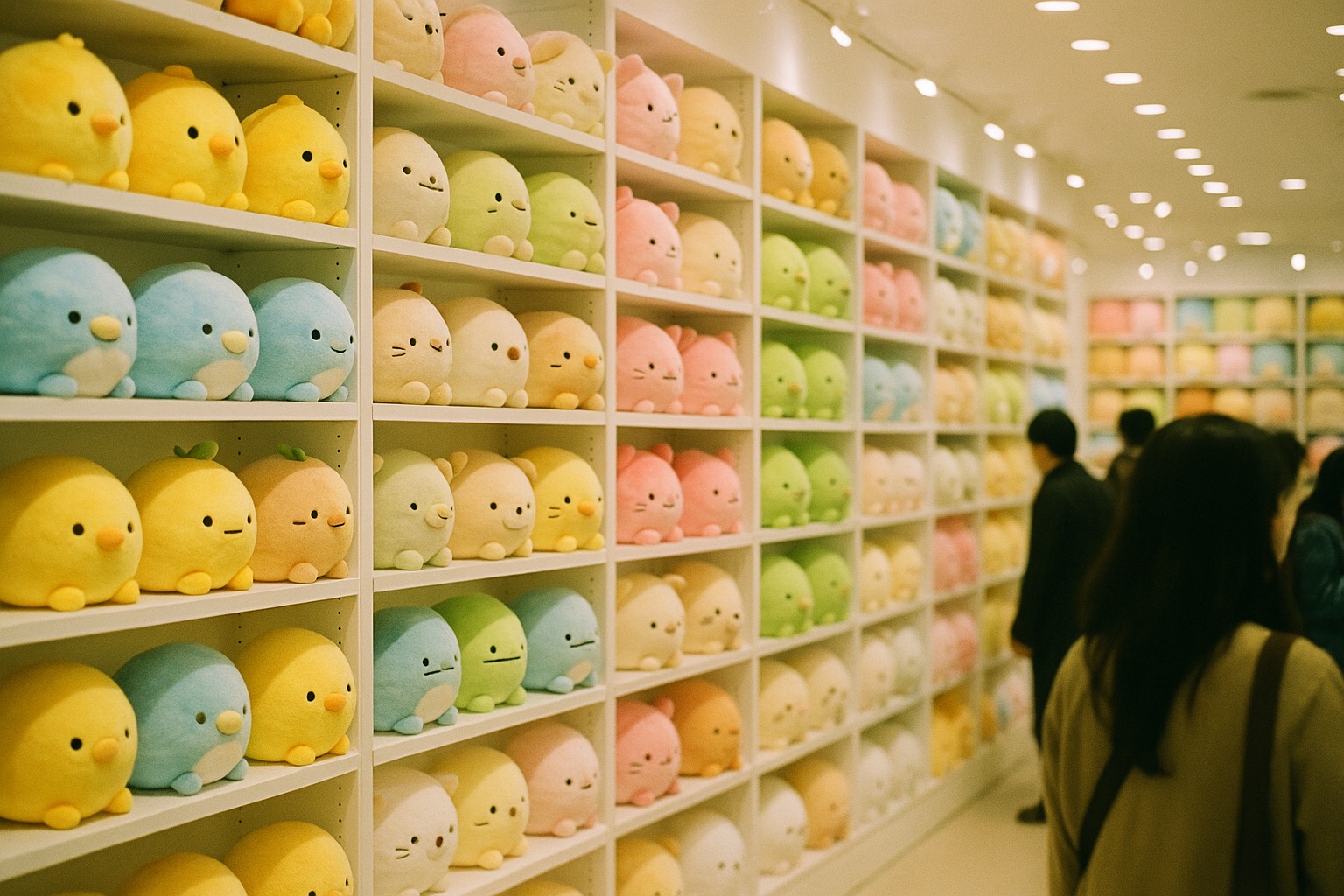
Every traveler with a Pokémon fan in their life — themselves included — eventually faces the question: which Pokémon Center, and what should I actually buy there? Most walk into the nearest one, grab a plush, and leave never knowing the system they just brushed against.
Here's the system: Japan's Pokémon Centers aren't branches of one shop — they're a network of regional flagships, each stocking exclusives tied to its citythat you cannot buy online, abroad, or at the next Center down the shinkansen line. Understanding this turns souvenir shopping into collecting. This guide explains it — with a Kyushu local's spotlight on the Fukuoka store.
How Pokémon Centers Work (A System, Not a Shop)
A "Pokémon Center" is the full-scale official flagship — a dozen-plus across Japan's major cities (Tokyo has several, then Yokohama, Nagoya, Osaka, Kyoto, Hiroshima, Sapporo, Sendai, Okinawa... and Fukuoka for Kyushu). Smaller "Pokémon Stores" at airports and stations carry a compressed selection — fine for emergencies, not for the hunt.
Three inventory layers matter:
- 1.National stock — the standard plush wall, TCG, stationery. Identical everywhere; buy whenever convenient.
- 2.Limited drops — seasonal and collaboration lines that sell out fast and cause the occasional entry queue. Fun if you stumble into one; not worth planning around.
- 3.Regional exclusives — the layer this article exists for. Next section.
Regional Exclusives — The Whole Point
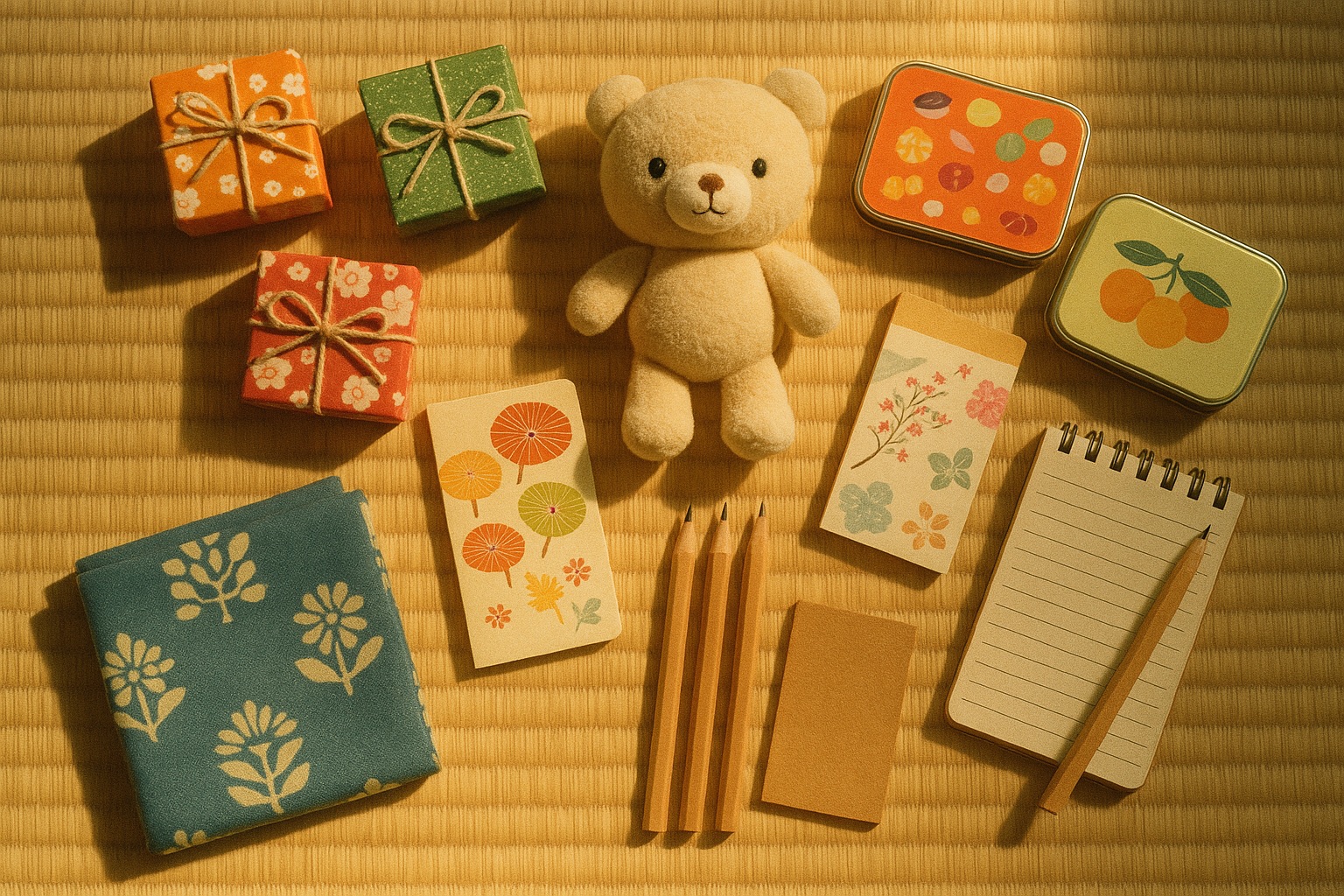
✦ AI-generated illustration — not a photograph of the actual site
The exclusives shelf is where souvenirs become artifacts of a specific place
Each Center carries merchandise designed around its own region — Pokémon dressed in local festival gear, posed with local landmarks, paired with local food. The same logic as Pokéfuta: tie the franchise to place, and the place becomes collectible. Lines rotate, but the pattern holds:
- 🏮Fukuoka's exclusives lean into Hakata identity — festival motifs, mentaiko-and-ramen food crossovers, and Kyushu-flavored goods you will not see in Tokyo.
- 🦌Elsewhere: deer-themed goods in the Kansai orbit, snow-festival lines in Sapporo, shisa-lion crossovers in Okinawa — every store tells you where you are.
- 💹The collector economics are real: regional items routinely resell abroad at 2–4× retail because the only supply line is someone physically standing in that store. Buying gifts here is objectively shrewd.
Pokémon Center Fukuoka — The 2025 Upgrade
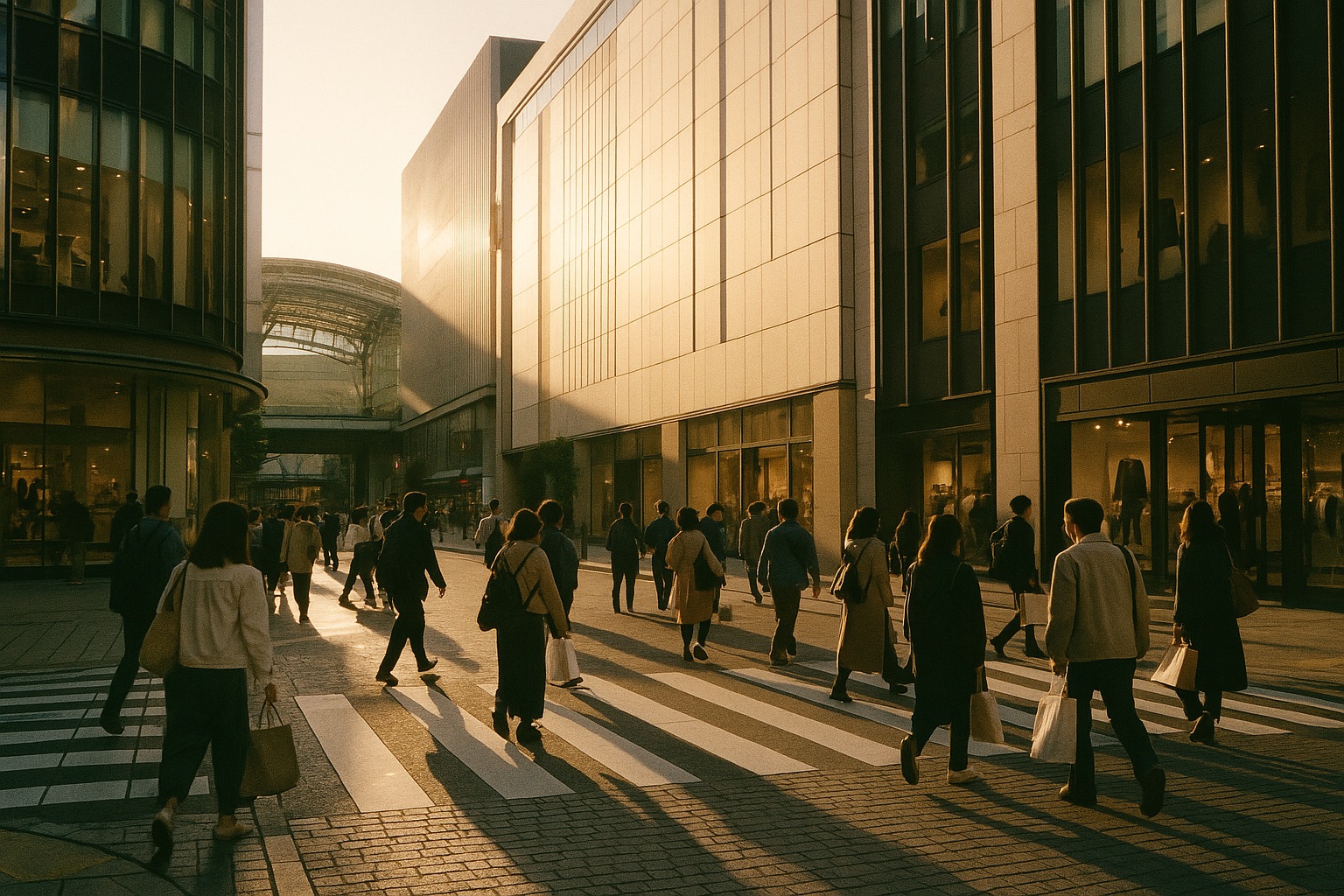
✦ AI-generated illustration — not a photograph of the actual site
Hakata Marui, steps from the station — the Center's bigger 2025 home
Worth restating because outdated guides still get it wrong: Pokémon Center Fukuoka moved in June 2025 from the JR Hakata City mall to a significantly larger space on the 2nd floor of Hakata Marui — still directly connected to Hakata Station. The relocation added an event space and a TCG card station alongside the expanded shelves.
For Kyushu travelers it slots perfectly into a Fukuoka day: ten minutes from the ramen counters in our food itinerary, an easy pairing with the 8-lid Pokéfuta route, and the natural trophy stop after completing Miyazaki's Exeggutor trail or Ibusuki's Eevee circuit.
Timing: weekday mornings are calm; weekend afternoons and new-release days bring queues. If your schedule is tight, go at opening.
Shopping Strategy — What's Actually Worth Buying
🥇 Regional exclusives
The unambiguous yes. Unavailable anywhere else, modest prices (most ¥500–3,000), maximum story-per-yen. Gifts from this shelf say 'I was in Kyushu,' not 'I was at an airport.'
🥈 Japan-only general items
Much of the national stock never exports either — stationery, daily-use goods, and food items (cookie tins make superb office omiyage). Check the home country's store first if unsure; when in doubt, it's probably Japan-only.
🥉 TCG (Japanese cards)
Japanese boosters cost notably less than English ones and the card station at Fukuoka adds the play angle. Know that big releases sell out day-one.
🤔 Standard plush
Lovely, but identical worldwide and often available abroad at comparable prices once luggage space is priced in. Buy the regional-costume version instead — same hug, better story.
Tax-Free, Crowds & Customs
- 🧾Tax-free shopping applies for foreign visitors above the usual ¥5,000 threshold — passport required, processed in-store. The exclusives shelf gets you there embarrassingly fast.
- 🛂Customs: ordinary merchandise quantities are personal-use; a suitcase corner of plush and tins raises no eyebrows. Resale-scale hauls are a different conversation we won't be having.
- 📦Luggage strategy: tins and flat goods pack themselves; oversized plush rides as a personal item with surprising dignity. Konbini takkyubin can ship boxes to your departure-city hotel (see our konbini guide).
- 🎁Receipt-keeping: tax-free purchases are technically for export — keep them packaged until you fly, as the rules require.
🛍️
Anyone can buy a plush. Travelers who understand the system come home with artifacts: the festival-costume one, from the city with the festival, that exists nowhere else.
Find the regional shelf, trust the when-you-see-it rule, and let the tax-free counter do its work. Future-you, distributing legendary omiyage, says thanks.
The Full Pokémon Kyushu Cluster